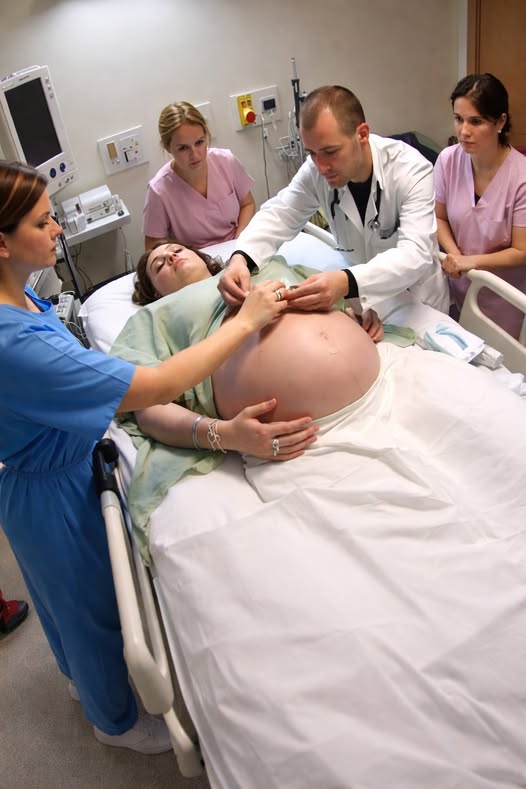
While replacing the dressings on a young woman who had remained unconscious for more than five months, a doctor noticed something deeply unsettling: her abdomen appeared to be increasing in size day after day. When updated test results were reviewed, the medical team was left in complete shock.

Following a devastating accident, the woman had been in a coma for over five months. She was admitted late one night with no identification, no phone, and no way to contact anyone. During her entire hospitalization, no one ever came looking for her—no family members, no friends, no visitors of any kind.
In her chart, she was classified as a “patient without accompanying contacts.” To most of the staff, she became an unnamed presence—silent, unmoving, and alone in a hospital bed.
Each day, only the nurses and her attending physician entered the room. They replaced bandages, monitored IV lines, documented vital signs, and quietly left, returning the room to its clinical stillness. Often, the doctor lingered longer than necessary, studying her face and silently hoping she would one day regain consciousness.
Months passed without change—until one routine check raised concern. Her abdomen looked subtly different, slightly more rounded than before. At first, the change was blamed on fluid retention, extended immobility, or metabolic complications. Such explanations seemed reasonable.
But as days turned into weeks, the swelling did not subside. Despite medication adjustments and changes in treatment, her abdomen continued to enlarge. Alarm spread through the medical team. The patient remained unconscious, had no visitors, and logically, pregnancy seemed impossible.
The attending physician ordered further tests. When the results arrived, a heavy silence filled the doctors’ room 😲😱
There was no error—the young woman was five months pregnant.
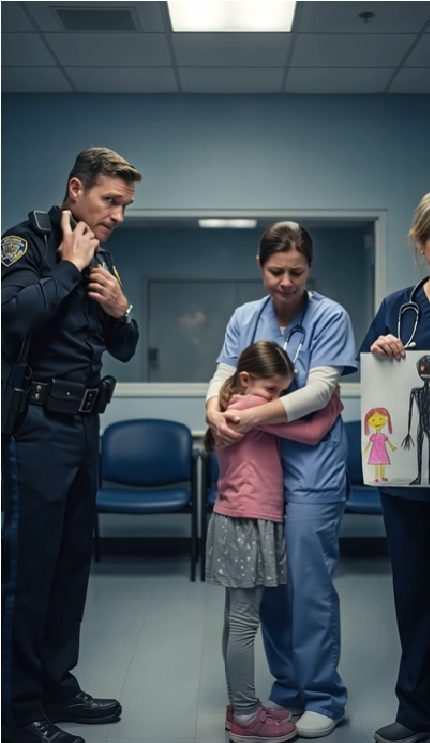
An internal investigation was immediately launched. Security footage was reviewed, visitor records examined, and night-shift activity closely scrutinized. What investigators uncovered sent a chill through everyone involved.
On multiple occasions during late-night hours, a man had entered her room—a patient from a nearby ward who was listed as largely self-sufficient. Surveillance footage showed him remaining inside far longer than permitted.